
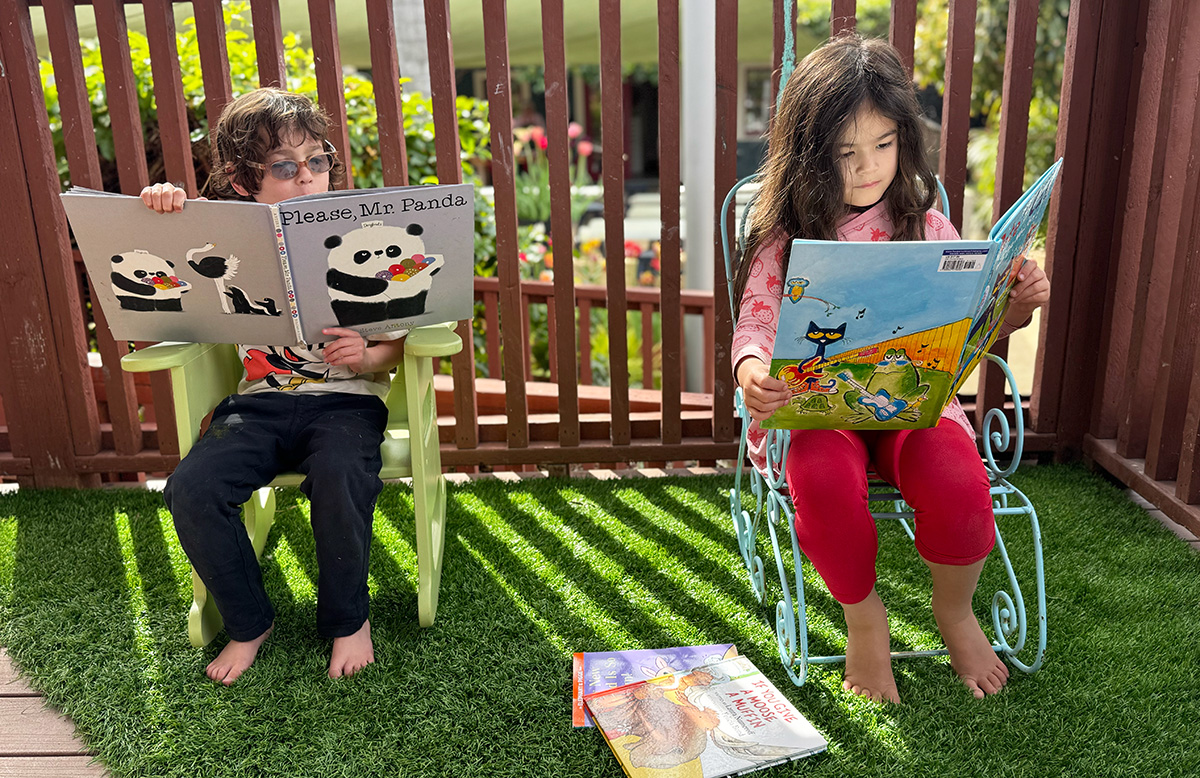
At Gillispie School, we believe that when it comes to reading, some of the most meaningful moments happen after the last page is turned. This is when children begin asking questions, sharing ideas, making connections, and wondering aloud. A simple conversation about a book can spark curiosity, strengthen critical thinking, and help children see the world through a new lens.
This summer, we invite families to make reading a shared experience. (This is not a homework assignment!)
Whether you're reading aloud to a young child or discussing a chapter book with an independent reader, simply take a few extra minutes to talk together.
Ask questions like:
- What was your favorite part of the story?
- Which character would you invite for a playdate? Why?
- Did anything in the book surprise you?
- What would you have done differently?
- Does this story remind you of anything in your own life?
These conversations give children an opportunity to organize their thoughts, express their ideas, and build empathy as they consider different perspectives. More importantly, they help children understand that reading isn't about finding the "right" answer—it's about wondering, imagining, and connecting.
Reading together and talking about stories are fun ways to continue that spirit of inquiry throughout the summer.
Ms. L., Gillispie's librarian, has curated summer reading recommendations for a variety of ages and interests. Explore the lists and choose books that spark your child's curiosity. We're sure you'll enjoy the conversations that follow!
Gillispie School's Summer Reading Recommendations
A TeachingBooks account is not required to access these lists. Simply follow the links below and select "TeachingBooks for Schools."
K-2 Summer Reading
Grade 3 Summer Reading
Grades 4-6 Summer Reading
Frequently Asked Questions About Summer Reading
How much should my child read during the summer?
Start by letting your child choose a book that genuinely interests them. Then, encourage 15–20 minutes of reading each day. This helps children maintain their literacy skills while building confidence and a lifelong love of reading. When the reading is finished, keep the story going by asking a few fun, open-ended questions. You may find that the best part of reading is the conversation that follows.
What kinds of books should my child read?
The best book is the one your child is excited to read. Picture books, chapter books, graphic novels, nonfiction, poetry, magazines, and audiobooks all encourage curiosity and a love of learning. Giving children the freedom to choose books that match their interests helps them become enthusiastic, lifelong readers.
Where can I find Gillispie's summer reading recommendations?
Links to our reading lists are above in the article.